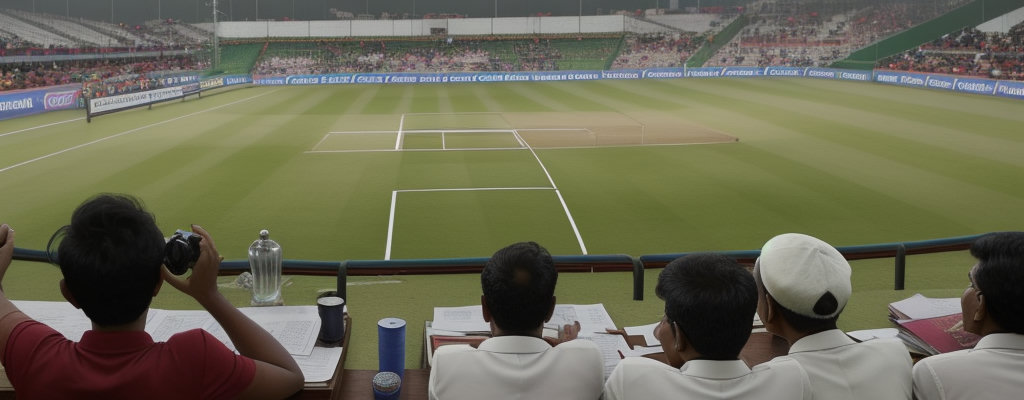
For most players in India, is Dream11 legal in India has a short answer: yes. Paid fantasy sports are treated as a game of skill rather than gambling, and there is no single nationwide law that bans them. That answer is not unqualified. A small number of states restrict paid real-money online gaming, and those state rules can reach paid fantasy contests as well. Free-to-play contests are usually untouched. The position also moves — states have passed, challenged and reversed rules on this in recent years, and a central online-gaming law has been proposed. Treat everything below as general information, not legal advice, and check your own state's current position before you deposit.
Three things shape the answer. First, there is no fantasy-sports-specific central statute in India. Second, the Public Gambling Act 1867 leaves most gambling regulation to individual states, which is why the map is patchy rather than uniform. Third, the courts have generally accepted that skill predominates over chance in fantasy contests, which is what keeps paid fantasy sports on the permitted side of the line in most of the country.
Why Fantasy Sports Are Classed as a Game of Skill
The whole legal argument rests on the game of skill vs game of chance distinction. Indian gambling law restricts wagering on chance. Where a contest depends mainly on the knowledge, judgement and application of the person taking part, courts have been willing to treat it as a game of skill — and skill-based contests fall outside the gambling prohibitions.
Applied to fantasy cricket and other fantasy formats, the reasoning runs like this. You build a fantasy team by selecting real players. Your score comes from what those real players actually do in a real match — runs, wickets, catches, strike rates and the rest. You are not wagering on the outcome of the match itself. The contest is settled on individual performances across the whole XI you picked, which means the result turns on selection, match reading, form analysis and how you spend your credits. Courts that have looked at this have reasoned that skill predominates over chance in fantasy contests, which is why paid fantasy sports are treated differently from a bet on who wins.
State laws reinforce this. Several states have written exemptions into their gaming or online-gaming legislation for games of skill, and platform terms of use lean heavily on that exemption when they offer paid contests in a given state. The classification is also what distinguishes fantasy from outright betting: fantasy is scored on player performance, betting is settled on a match outcome or a specific market.
One caution. The skill-based classification is a legal argument, not a blanket immunity. It has to be made and accepted in the jurisdiction you are playing from. A state can legislate against paid online gaming in a way that captures fantasy formats regardless of how the skill argument has been framed elsewhere, and some have. If you want the wider picture on wagering, our guide to whether online betting is legal in India covers the betting side separately.
Which States Have Restricted Paid Fantasy Sports
Restrictions differ from state to state, and that is the single most important thing to understand here. Several states restrict paid real-money online gaming, including fantasy formats. Some of those restrictions have been challenged and overturned in court, and at least one state has changed its position more than once. Free-to-play contests are usually unaffected, because the state laws in question target paid real-money play rather than fantasy contests as a concept.
The position can change within a single legislative session. Earlier this year's understanding of a state's rules is not a reliable guide — a fresh amendment or a High Court ruling can reset everything in weeks. Verify each state's current text before relying on it. The table below reflects what has been reported at the time of writing; treat it as a starting point for your own check, not as a settled legal position.
Reported position of paid fantasy sports, by state
| State | Reported position | What it means for players |
|---|---|---|
| Telangana | State law restricts paid online gaming, including fantasy formats | Paid contests are the problem — free or private leagues sit outside the restriction |
| Andhra Pradesh | Online gaming restrictions introduced by state amendment | Check the current text before entering any paid contest |
| Tamil Nadu | Rules have changed more than once after court challenges | Verify the latest position — this state has flip-flopped |
| Karnataka | A 2021 state ban was struck down by the High Court | Paid fantasy contests are generally available again |
| Assam | Paid online games restricted under state gaming law | Free-to-play contests only for residents |
| Nagaland | Paid online games require state authorisation | Only state-authorised operators can offer paid contests |
| Odisha | Paid online games restricted under state law | Free-to-play contests only for residents |
| Sikkim | Online gaming licensed by the state | Only operators holding a state licence may offer paid play |
| Most other states | No fantasy-sports-specific ban reported | The game-of-skill framing applies, but check the platform's own terms |
A central online-gaming framework — commonly discussed under the name PROGA 2025 — has been proposed to replace this patchwork. Until any such law is in force and its scope is clear, the state-by-state position remains what governs a player's practical risk.
Dream11 vs Sports Betting: Why the Legal Question Is Different
People often bundle fantasy cricket and match betting into one question. Legally they are not the same thing, and the difference explains why "is fantasy cricket legal in India" gets a different answer from the betting question.
A fantasy contest is scored on player performance. You pick real players, they score points from what they do on the field, and your contest result follows from that. Sports betting is a wager on a match outcome or a specific market — who wins, how many runs, whether a total is exceeded. Betting is dealt with under state gambling laws, and access for Indian players is largely served by offshore-licensed operators rather than domestic ones. Fantasy sports have no fantasy-specific central statute at all; they sit on the Public Gambling Act 1867, each state's gaming or online-gaming law, and the court rulings on games of skill.
The two areas are governed by overlapping but distinct rules. A state that restricts paid online gaming may capture fantasy contests; a state that restricts betting is doing something else entirely. What they share is that both are decided state by state.
Fantasy sports vs sports betting at a glance
| Feature | Fantasy sports | Sports betting |
|---|---|---|
| What you back | Points scored by real players you select | The outcome of a match or a specific market |
| Legal framing | Game of skill | Wagering, assessed under state gambling law |
| Central statute | None specific to fantasy formats | Public Gambling Act 1867 plus state laws |
| Where it is restricted | A small number of states with paid online gaming bans | Restricted in several states; most access is via offshore-licensed sites |
If your interest is the cricket side rather than fantasy, the cricket betting hub sets out formats, markets and the practical mechanics. The specific legality question is answered in our page on whether cricket betting is legal in India. For the general wagering picture, the betting legality FAQ hub collects the individual questions in one place.
What Happens If You Play in a Restricted State?
Penalties differ from state to state — there is no uniform answer, and the consequences for a casual player are usually practical rather than criminal. The most likely outcomes sit with the platform, not the courts.
Real-money apps commonly geo-block sign-ups and logins from restricted states. That check happens at the front door, which is why many players in those states simply cannot register. The second checkpoint is money. Address and IP checks can surface at the withdrawal stage, when a platform runs KYC against the details on your account. An account restriction or a forfeited withdrawal is the most common practical outcome in that situation — you may find winnings held, an account suspended, or a request for documentation you cannot satisfy.
A mismatch between your KYC address and the state you are playing from is the usual trigger. If your ID shows one state and your IP resolves to another, expect questions. Free-to-play entries rarely attract the same scrutiny because there is no withdrawal to process.
None of this is legal advice, and it is not a description of any particular platform's enforcement. For anything beyond a casual small contest, consult a lawyer who practises in your state and can read the current statutory text. State rules, central proposals and court rulings can all shift the answer, and a general-interest page cannot substitute for advice on your specific circumstances.
Quick Checklist: Is Dream11 Legal Where You Live?
Your state of residence decides the answer, not the platform's brand or its popularity. Work through the following in order.
- Identify your state of residence and read the current state gaming or online gaming law — not a years-old news article.
- Check whether the platform lists your state as available when you sign up; most real-money apps geo-block restricted states.
- Confirm whether the contest you want is paid or free — state restrictions almost always target paid real-money formats.
- Read the platform's terms of use and its game-of-skill exemption claim for your state.
- Keep your KYC address current, because withdrawals can trigger address verification against a restricted state.
- For anything beyond a casual contest, take advice from a lawyer practising in your state.
- Re-check the position after any new state legislation or central online-gaming bill, since it can change within months.
The same discipline applies if you hold a Leon Casino account for sports betting — the state you play from is the deciding factor, and the platform's terms of use will tell you which states it accepts. Confirm the latest details directly on the bookmaker's site before you deposit, because terms and availability are updated over time.
Maintenance note. This page is date-stamped at review and is revised whenever state gaming law, a court ruling or a central online-gaming bill changes the position. If you are reading it some months after the review date, re-verify your state in the table above before acting on it.
Disclaimer. This article is general information about how fantasy sports regulation in India has been reported and interpreted. It is not legal advice and it does not create a lawyer-client relationship. It does not describe the policies of Dream11 or any other platform, and no operator named here is affiliated with, endorsed by, or connected to Leon Casino India. Laws and platform policies change; verify the current position for your state before you play.
Play responsibly. Online gaming is for adults aged 21 and over. Set a budget before you start, treat it as entertainment rather than income, and never chase losses. If gaming stops being fun, take a break and seek support.